The Problem With Good ChatGPT Answers: They Disappear
ChatGPT can be surprisingly helpful.
Sometimes you ask a small question and get back something genuinely useful: a meal prep shopping list you could actually use, a study note that makes a confusing concept finally feel simple, a cheat sheet you want to keep nearby, or a trip outline that feels like a real starting point.
Those moments are part of what makes AI exciting. A conversation can give you clarity, momentum, or a better way to think about something.
And yet, many of those good answers are harder to keep than they should be.
A few days later, you may remember that ChatGPT gave you exactly what you needed once. You remember the feeling of it clicking. You remember thinking, I should keep this.
But you may not remember the exact prompt. You may not remember which conversation it was in. You may not remember the little reason it mattered so much in the moment.
So the answer is still somewhere in your history, but not really available when you need it most.
That is the quiet problem: good ChatGPT answers often disappear in practice.
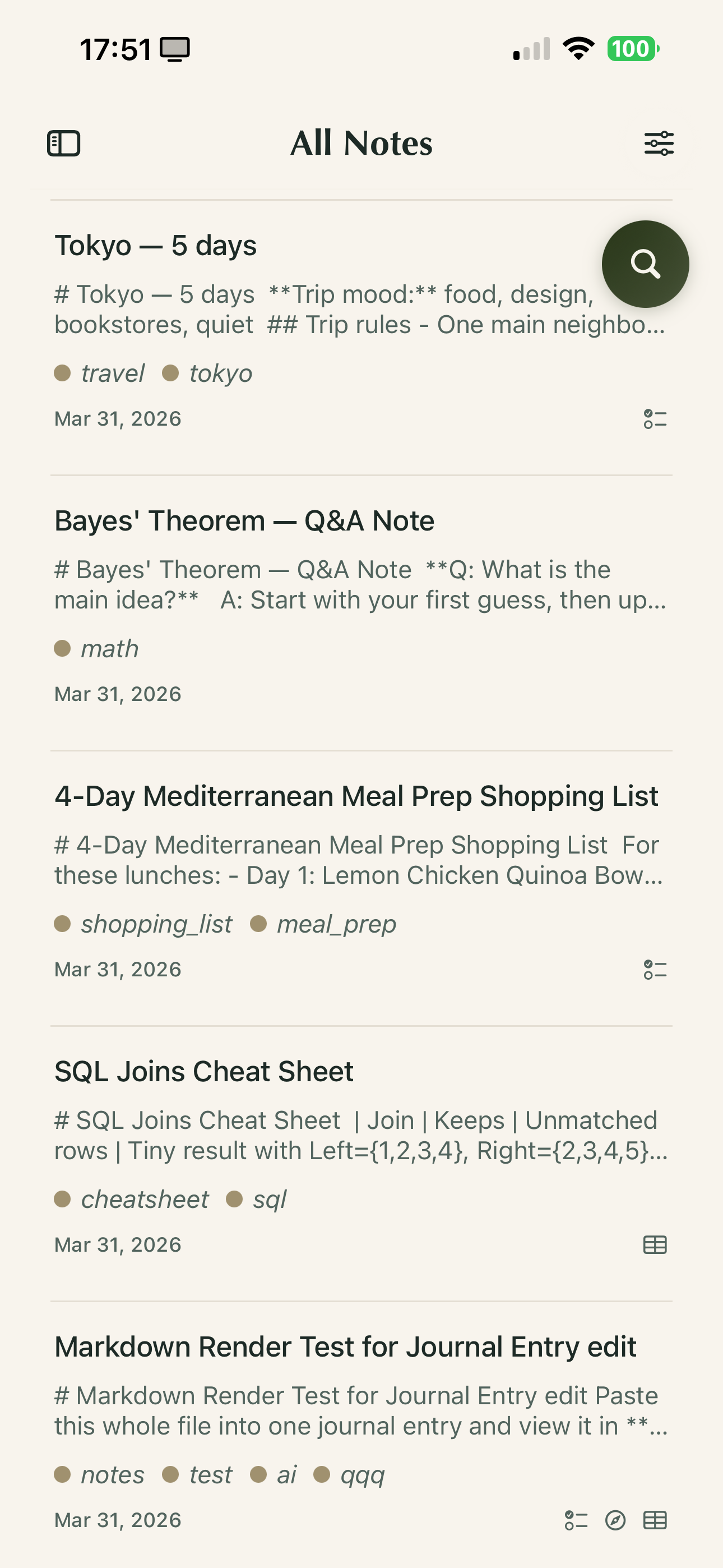
Some AI answers are worth more than a moment
A lot of AI output is disposable, and that is fine.
But some answers are different. Some become genuinely useful parts of life.
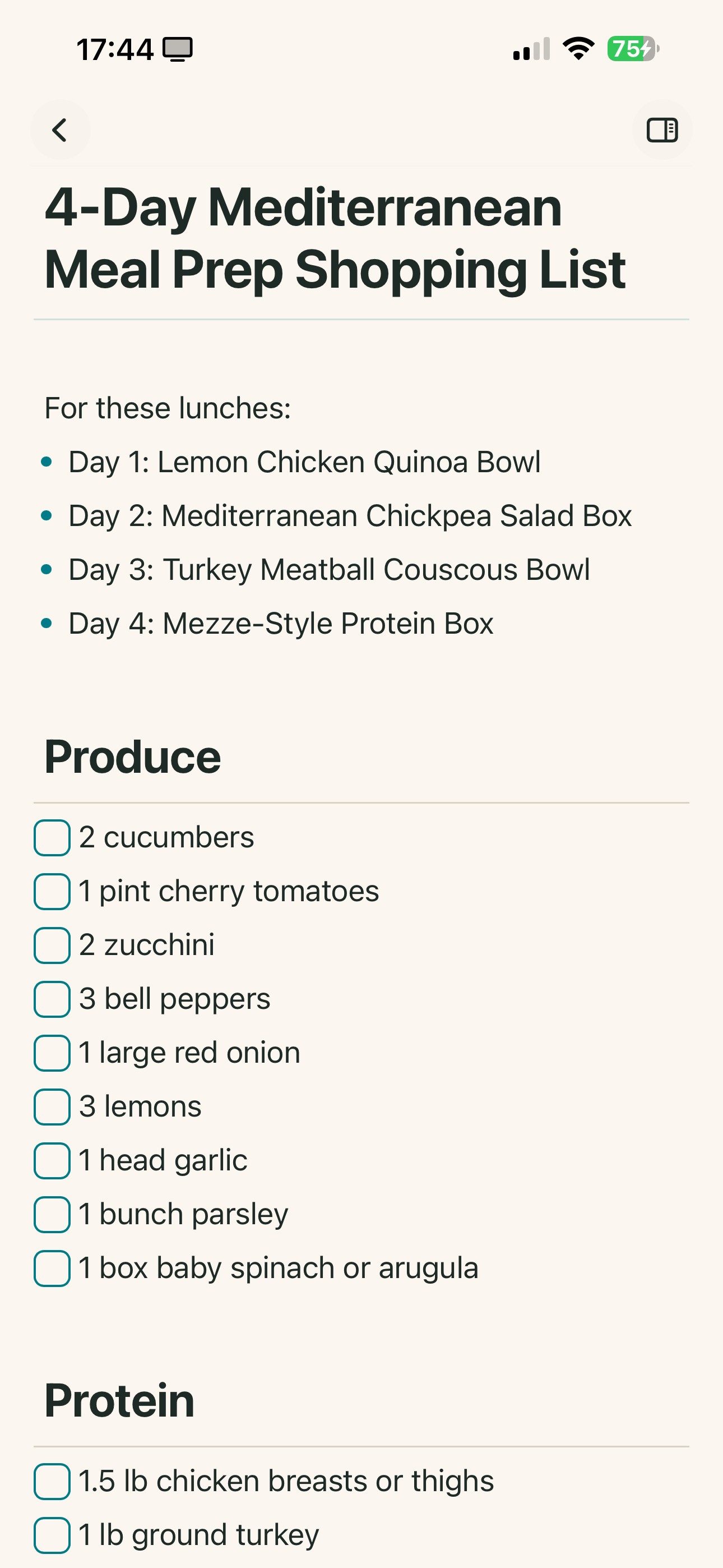
A meal plan, for example, can become a real shopping list. Not just a set of suggestions, but something organized enough to use in the store.
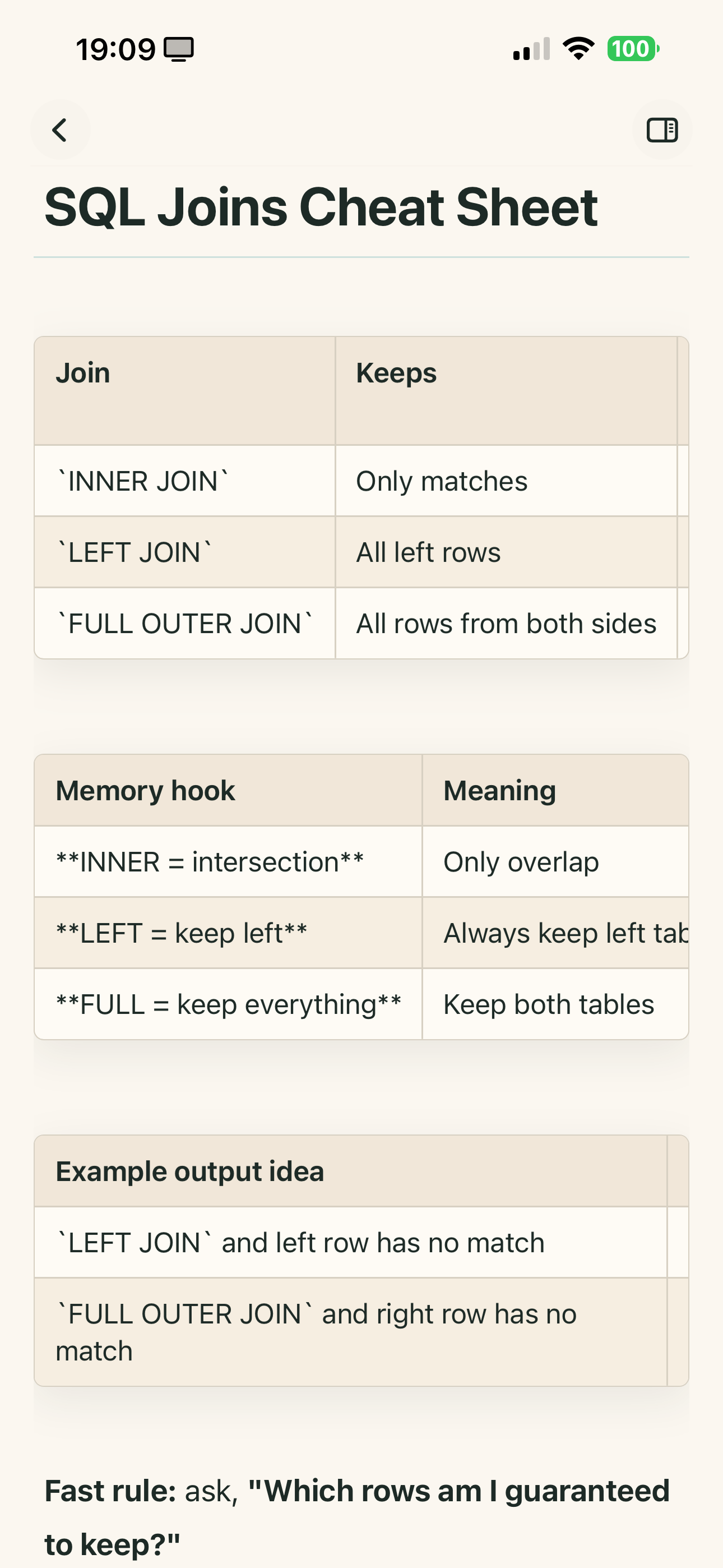
A study note can become a reference you return to before class, before an interview, or whenever you need the concept explained in a way that actually makes sense to you.
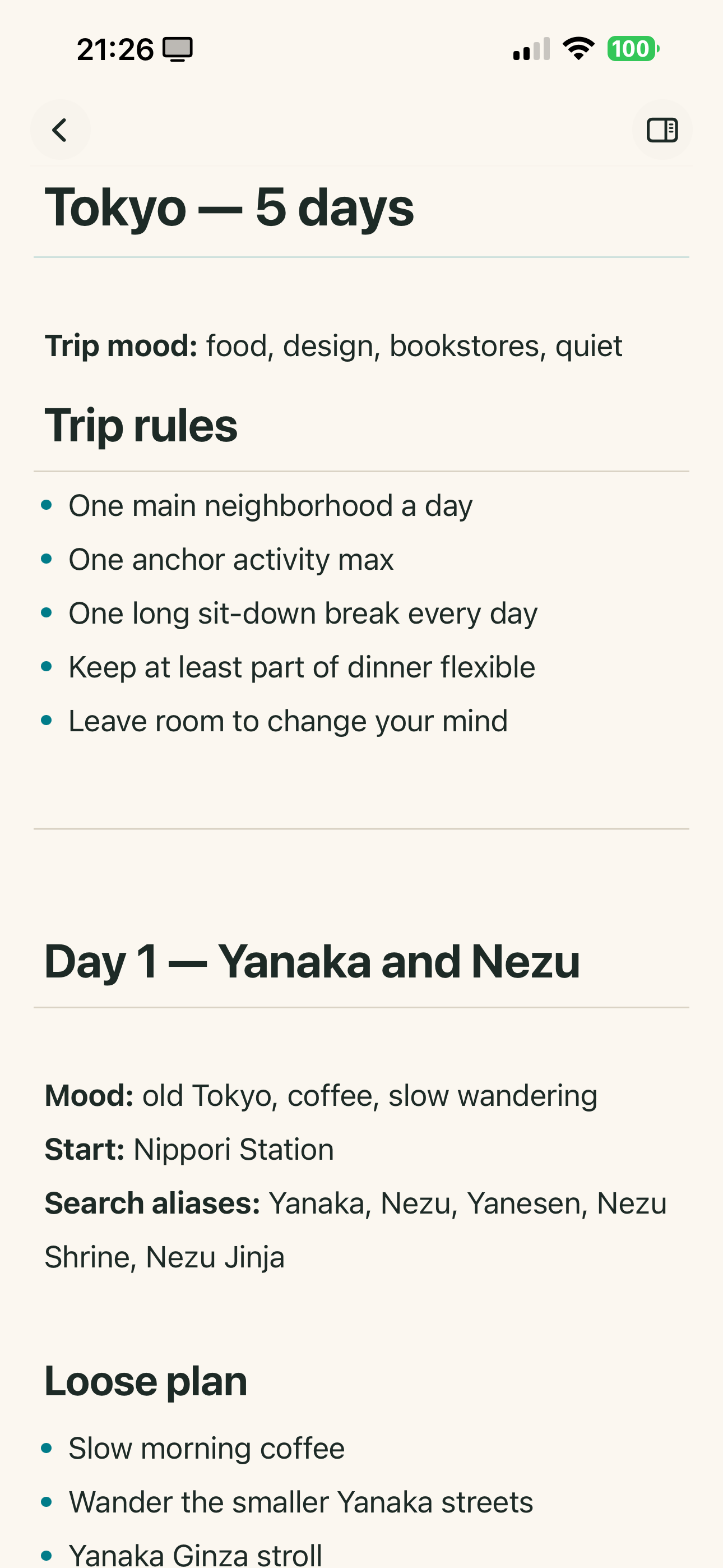
A travel idea can become more than a list of places. It can carry a mood, a pace, a few rules, and the feeling of the trip you were hoping to shape.
These are not just nice answers. They are answers with a second life.
Chat history is helpful, but it is not the same as a personal library
ChatGPT is built for conversation. That is what makes it feel fluid and alive.
But conversation is not always the best place to keep things you may want again later.
The answers that matter most often need a different kind of home: a meal prep plan you want at the grocery store, a study note you want before an exam, a travel outline you want when the trip gets closer, a useful explanation you want to revisit once the idea has had time to settle.
In chat history, all of those live beside everything else: rough drafts, half-formed questions, curious detours, abandoned threads, and quick experiments.
That means something valuable can still exist, but feel strangely out of reach.
So when we say a good answer "disappears," we do not necessarily mean it is gone. We mean it no longer feels easy to return to at the right moment.
What matters is not only the answer, but why it mattered
The most useful part of an answer is often not just the text itself.
It is also the context around it.
Why did this matter to me? What was I hoping to use it for? What was the version I liked? What about it felt especially clear or helpful?
That extra layer is important.
A shopping list becomes more meaningful when it still carries the idea that it was meant for four easy lunches. A study note becomes stronger when it preserves the mental shortcut that helped the topic finally click. A trip plan becomes more personal when it keeps the mood and intentions that shaped it in the first place.
Without that context, even a very good answer can feel flatter the second time you find it.
The best answers deserve to become notes
At a certain point, a useful AI answer outgrows the conversation that created it.
That is not a problem. It is actually a good sign.
It means the answer has become worth keeping.
And when something is worth keeping, it helps to let it become a note.
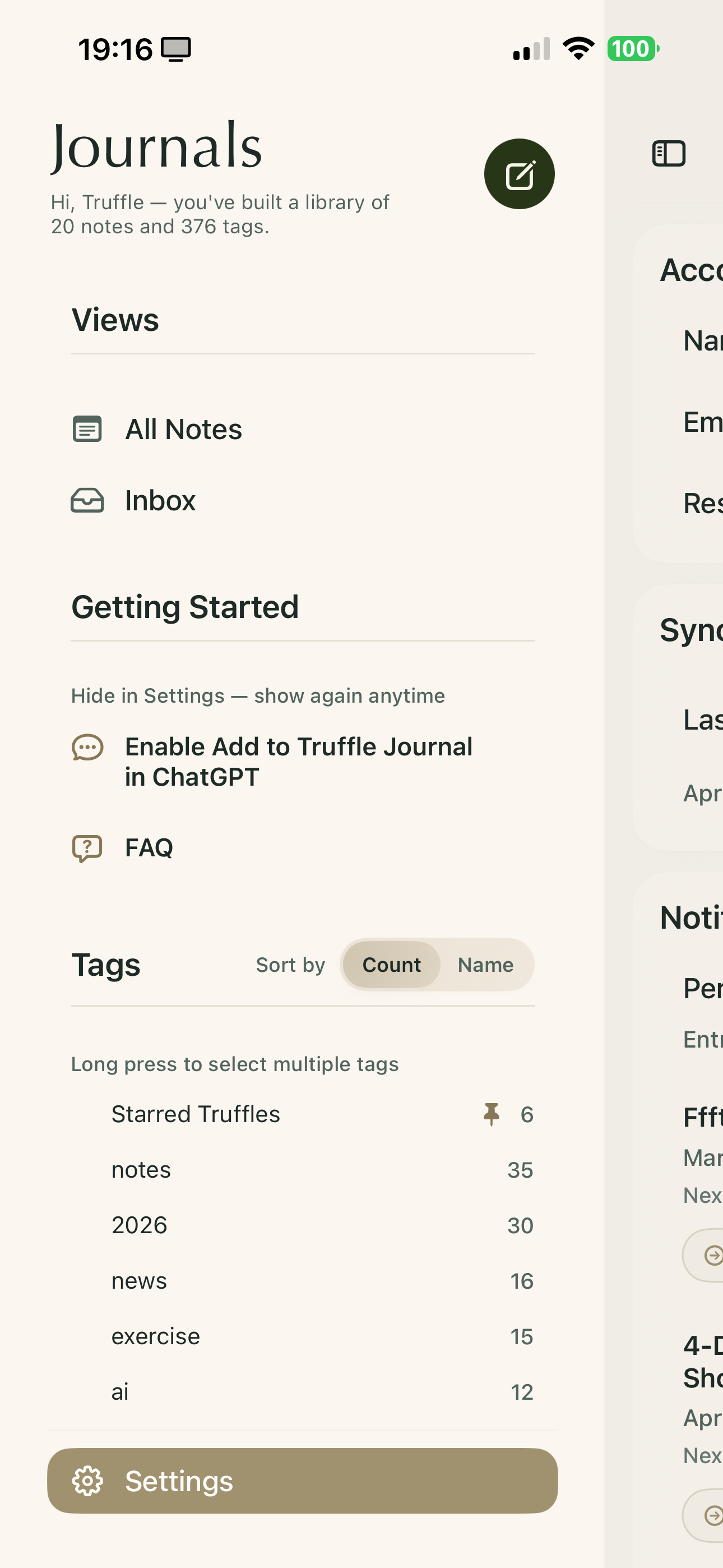
A note can have a real title. A note can keep your tags. A note can sit beside other useful things. A note can be found again by topic, not only by memory. A note can start to feel like part of your own thinking, not just part of an old chat.
This is where a small shift happens.
Instead of saying, "ChatGPT helped me once," you begin to feel, "I have something useful now."
That is a very different relationship to knowledge.
Save gems, not everything
There is no need to save every conversation.
In fact, trying to keep everything often makes it harder to keep what matters.
A gentler rule is better:
Would I want this again later? Is this more helpful than asking from scratch next time? Does this reflect something about my preferences, constraints, or way of thinking? Would future me be glad I kept this?
If the answer is yes, that is probably a gem.
And gems deserve a place where they can stay useful.
The deeper opportunity is not just getting answers. It is building something you can return to.
Most people already know ChatGPT can help them think.
What matters next is what happens after the helpful moment.
If an answer matters for more than a few minutes, it deserves a little structure. A little context. A little care.
Otherwise, the pattern is familiar.
You get a great answer. You use it once. You remember it vaguely later. And then you either go searching for it or start over from scratch.
There is nothing dramatic about that. It is just a small, repeated loss.
And the good news is that small losses can be prevented.
Closing
One of the most hopeful things about AI is how often it can help us move a little faster, think a little more clearly, or begin something that felt difficult before.
Those moments are worth noticing.
And some of them are worth keeping.
Because once an answer becomes useful enough to matter next week, next month, on a grocery run, before an exam, or while planning a trip, it has already become more than a chat reply.
It has become part of something you may want to build on.
That is the space Truffle Journal is made for.
Not to save everything.
Just to help you keep the parts that are truly worth coming back to.
Good ChatGPT answers disappear into chat history. Truffle Journal gives the useful ones a second life.
Start with one gem, not a new system
You do not need to save everything. After your next useful ChatGPT moment, save just one answer you would genuinely want back next week. Then add one sentence about why it mattered. That is enough to begin.